
For delivery call: 0800 23 23 22 SIGN UP

Rockgas
  • About
    • Our Company
    • Our People
    • Zero Carbon
  • Your Home
  • Your Business
  • Order Gas
    • Sign Up
    • Rockgas App
  • Find a Gas Fitter
  • Helpful Info
    • LPG Bottle Basics
    • Find a Gas Fitter
    • FAQs
    • Delivery Areas
    • Edutainment Series
    • Staying Safe
    • Cylinder Location Guide
    • Complaints process 
  • News
  • Contact
  • Click to open the search input field Click to open the search input field Search
  • Menu Menu

How to use an LPG Gas Cooker safely

May 15, 2019/in News

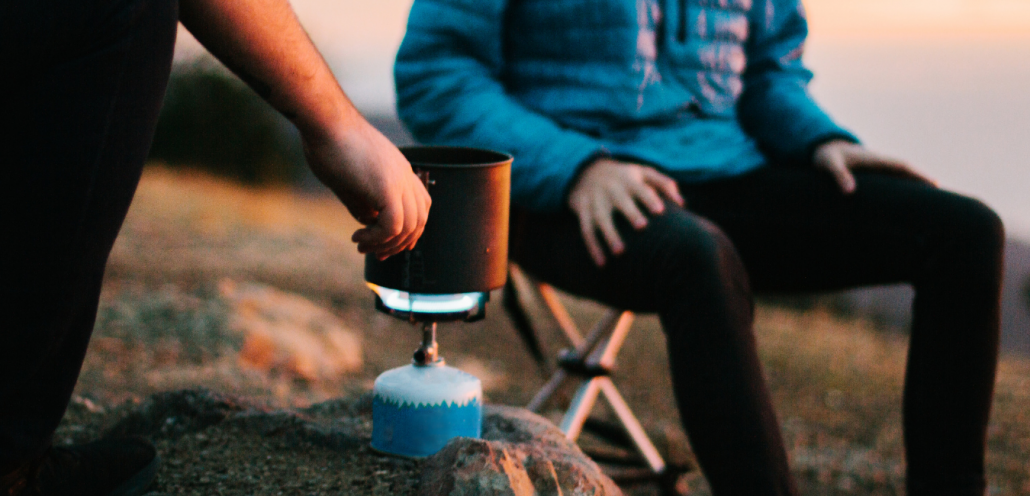
How to use an LPG gas cooker camping

We’re pretty lucky here in the ‘winter-less’ north. You can pretty much camp all year round.   If you enjoy the great outdoors and use an LPG gas cooker, safety is a must.  You might want to tick off our check list below.   A great outdoors experience is one you remember!

Use appliances outside whenever possible

Carbon monoxide can be produced without proper ventilation.  It can be dangerous to use an appliance in a small enclosure like a tent or car.  If inside a caravan make sure there’s plenty of space and ventilation.  Ventilation should allow air to move across the space with openings at high and low levels.

Keep LPG appliances in good condition

  • Always follow the manufacturer’s instructions which should be included when you purchase your appliance.
  • Follow all the warnings on the labels.
  • Each time you connect the gas bottle, test for gas leaks. Follow the instructions on the gas bottle for how to do this.

Follow LPG appliance safety guidelines

  • Keep flammable items well clear of cookers or heaters (at least a metre away).
  • If your cooking appliance has a windshield to protect the fuel bottle or canister, use it.
  • Avoid using cooking utensils that have highly reflective surfaces, as these can reflect heat towards the fuel bottle or canister.
  • Don’t operate the cooker for long periods of time without giving it a rest every so often to let it cool down.
  • Don’t use over-sized pots or pans on small camp cookers.  Give your flame room to burn – it should just touch the bottom of the pot.
  • When you’re not using appliances turn off the gas at the bottle.
  • Stop using an appliance if it emits an odour as this indicates a leak or emissions linked to carbon monoxide poisoning.
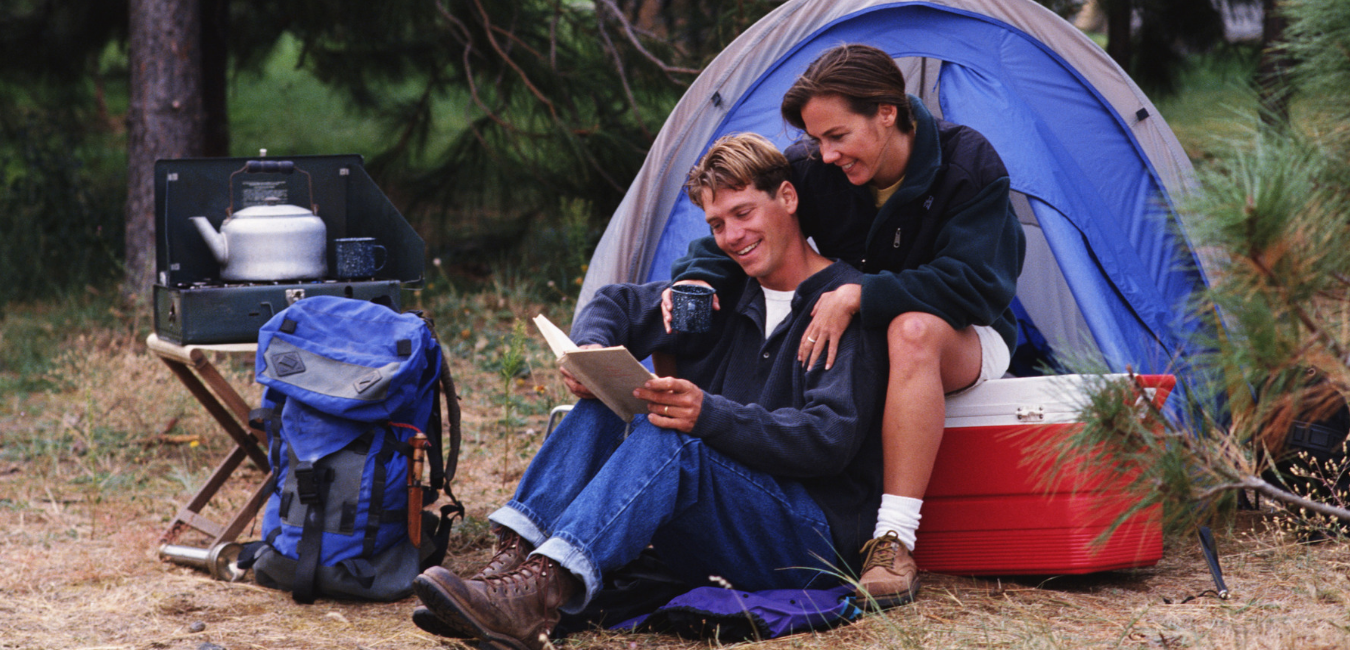
There’s nothing better than a hot meal after a long day’s hike or outdoor activities.  Cooking is especially fun camping.   If you follow these LPG gas cooker safety guidelines you will always have an experience to remember.




Share this entry
  • Share on Facebook
  • Share on X
  • Share on WhatsApp
  • Share on Pinterest
  • Share on LinkedIn
  • Share on Reddit
  • Share by Mail
https://rockgasnorth.co.nz/wp-content/uploads/2019/05/gas-cooker-camping.png 650 1350 rockgas https://rockgasnorth.co.nz/wp-content/uploads/2022/11/logo-website-header.png rockgas2019-05-15 13:15:542021-07-01 15:09:15How to use an LPG Gas Cooker safely

Blog Subscription

  • This field is for validation purposes and should be left unchanged.

Recent Blogs

  • Our payment terms are changingJanuary 17, 2024 - 3:10 pm
  • Bringing zero carbon gas to youJuly 19, 2021 - 10:52 am
  • Gas is changingJune 23, 2021 - 10:49 am

Categories

  • News

Contact Us

P: 0800 23 23 22
E: rockgas@rockgasnorth.co.nz

Rockgas North
16 Hewlett Street
Whangarei

Helpful Info

  • Your Home
  • Your Business
  • Find a Gas Fitter
  • Order Gas

Important

  • Privacy Policy
  • Terms & Conditions
  • Application to Sign Up
Search Search

Contact us on 0800 23 23 22 or Email rockgas@rockgasnorth.co.nz.
If we cannot resolve your complaint you can contact UTILITIES DISPUTES  – TAUTOHETOHE WHAIPAINGA on 0800 22 33 40 or email at: info@udl.co.nz

© Copyright Rockgas North 2021. Website by Monster Creative
Link to: How do I manage my LPG gas supply? Link to: How do I manage my LPG gas supply? How do I manage my LPG gas supply? Link to: New Climate Change Commission recommendation Link to: New Climate Change Commission recommendation rockgas north climate changeNew Climate Change Commission recommendation
Scroll to top Scroll to top Scroll to top